
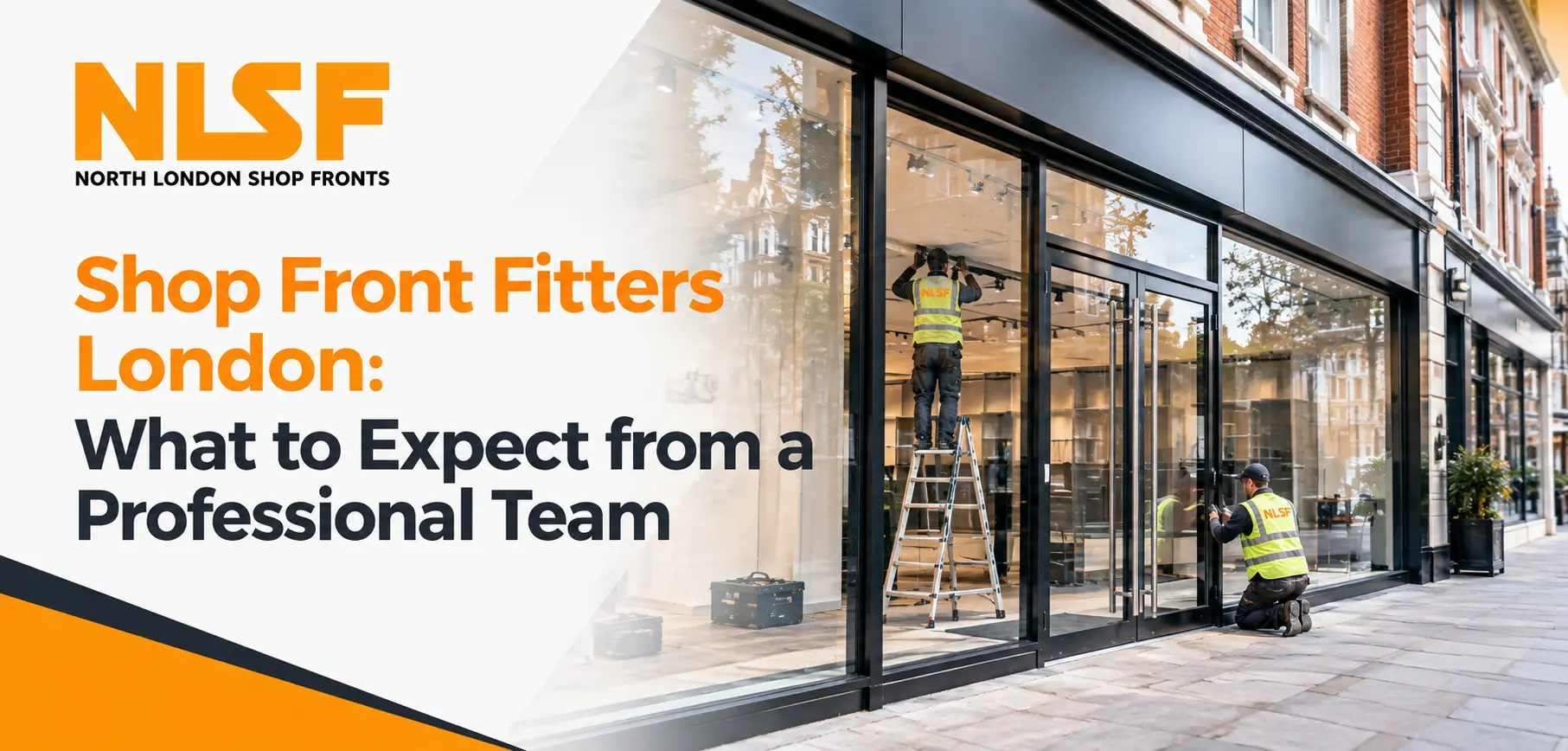
A shop front is often the first thing customers see when they walk past a business, but just getting a shop front installed in a place is not just about picking a design that looks nice. Experienced shop front fitters have to consider the building, measurements, access, materials, doors, glazing, security and the way everything comes together on site. If you are planning a new shop front or replacing an existing one, understanding what happens during professional fitting can help you prepare for the work and avoid common problems.
What Do Professional Shop Front Fitters Actually Do?
Once the design has been agreed, the components can be manufactured according to the measurements. This may include the frame, doors, glazing and other elements required for the project. On site the shop front fitting may involve:
- Removing the existing shop front, where required
- Preparing and checking the opening
- Positioning and securing the frame
- Fitting doors and glazing
- Installing locks or other security features
- Sealing and finishing the installation
- Checking the completed shop front
The process will vary depending on the property and the type of front being installed. Careful preparation is an important part of successful shop front installation.
What to Expect from a Professional Shop Front Fitters Team?
If you are hiring shop fitters you should expect more than only the installation. The professional shop front fitters team should guide you through the main stages from the initial survey to the final checks.
Accurate Site Survey: Before work starts, the shop front fitters should measure the opening. Examine the existing structure. Access, surrounding brickwork and any site restrictions should also be considered.
Advice on Materials: Your shop front installers should advice which frames, doors and glazing options are suitable for the property. Depending on the project this could include:
- Aluminium frames
- Laminated glass
- Double glazing
- Fire‑rated aluminium glasses and doors
Relevant Experience: Look for a shop front fitters team with experience working on commercial properties similar to yours. Previous projects can give you an idea of their workmanship and the type of installations they handle.
Certifications and Accreditations: Ask about certifications, memberships or accreditations. These can provide information about a shop front fitters company’s approach to quality, safety and professional standards.
Installation Timescale: A professional shop front fitters team should give you an idea of how the work is expected to take. This is particularly useful if your business needs to remain open during the project.
Planning and Compliance: Depending on the property, planning permission, building regulations, fire safety or accessibility requirements may need to be considered. This is especially relevant for listed buildings and conservation areas.
Final Inspection: After the shop front installation, the team should check the finished work. Doors, locks, glazing, frames, seals and other components should all be checked before the project is completed.
What Should You Check Once The Installation Is Done?
Once the shop front installation is complete, there are a few things worth checking. A shop front may look good from the outside, but its everyday operations matter just as much.
Take a few minutes to check:
- Doors open and close without sticking or catching
- Locks and handles work properly
- Glass is clean, secure and free from damage
- Frames are leveled and properly aligned
- Seals and joints are neat and complete
- The surrounding area has been left clean after the work
These checks are particularly useful for businesses where the entrance is the important part and will be used throughout the day.
Choosing the Right Shop Front Installers in London
Choosing shop front installers is a critical step. Look at their commercial work, experience, and certifications, and observe how clearly they explain the details .
A reliable shop front installer team should be able to discuss your shopfront fitting requirements, carry out a proper survey, explain the shop front materials being used and provide a clear shop front quotation.
A good shop front fitting brings all these stages together. When the shop front measurements, shop materials, shop front preparation and shop front installation are handled carefully the finished shop front can provide a practical entrance that looks right for the property and is suitable for everyday business use.
FAQs
1. How Much Does A Shop Front Installation Cost In London?
Costs vary depending on size, materials and whether features like fire-rated glazing or security shutters are needed. Getting quotes from a few shop front fitters after a proper site survey is the best way to get an accurate figure.
2. How Long Does Shop Front Fitting Usually Take?
Most projects take one to three days once manufacturing is complete, though this depends on the size of the opening and how much preparation work is needed.
3. Will I Need Planning Permission For A New Shop Front?
Only in some cases, mainly listed buildings or properties in conservation areas. A shop front installers team should check this for you before work begins.
4. Can Shop Front Installers Work Around My Opening Hours?
Yes, many teams can schedule the noisier or more disruptive parts of the job early morning, in the evening, or over a weekend to reduce impact on trading.
5. What Should I Check After Shop Front Installation?
After shop front installation, check the alignment of the frame, operation of the doors and locks, condition of the glazing and the overall finish before the work is signed off.